The Christmas holiday season is often portrayed as a time filled with joy, celebration, and togetherness. But for separated or newly divorced parents, it can also bring feelings of stress, sadness, and uncertainty—especially when it comes to sharing time with children and creating holiday plans. While the season may look different than it once did, it can still be meaningful, peaceful, and memorable for everyone involved. With thoughtful planning and a child-centered approach, separated parents can navigate the holidays with cooperation and care.
- Put the Children’s Needs First
The holidays are magical for kids, but they can also be confusing when their parents live in separate homes. What they need most is stability, predictability, and reassurance that both parents love them and are committed to making the season special. Putting children first may mean:
- Being flexible when unexpected changes arise
- Avoiding conflict or tense conversations in front of them
- Reassuring them that it’s okay to enjoy time with each parent
- Letting go of competition or pressure to “make up” for lost time
When parents prioritize the emotional well-being of their children, the holidays become less stressful and more joyful for the entire family.
- Plan Early and Communicate Clearly
One of the biggest stressors during the holiday season comes from unclear expectations or last-minute disagreements. Early planning allows everyone—especially children—to know what to expect. Consider discussing:
- Specific pick-up and drop-off times
- Travel arrangements
- Extended family gatherings
- School or extracurricular events
- Gift-giving responsibilities
Clear, respectful communication helps prevent misunderstandings and ensures smoother transitions between households.
- Create New Traditions While Honoring Old Ones
Separation often changes the structure of the holiday season, but it doesn’t have to diminish it. Parents can blend old traditions with new ones to create a meaningful holiday experience. Ideas include:
- Baking cookies on a new night
- Opening one gift at each home
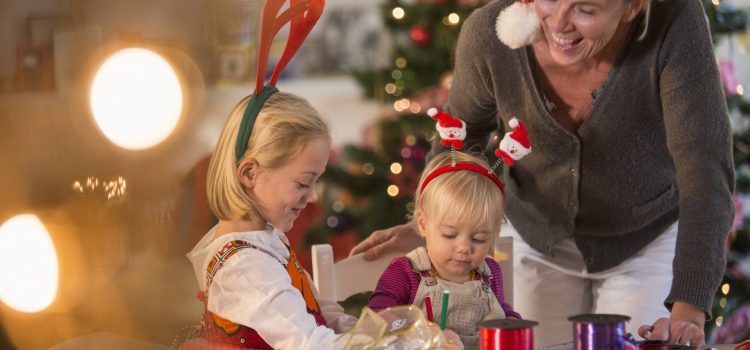
- Creating special decorations together
- Reading a holiday book or watching a favorite movie
- Doing a small holiday craft unique to each household
New traditions can provide comfort and consistency, helping children adapt and look forward to the season—no matter where they celebrate.
- Be Flexible and Compassionate
The holidays can stir up emotions for everyone involved—children and parents alike. Something may unexpectedly conflict with the schedule. A child may express sadness about missing the other parent. Extended family might have competing plans.
Flexibility makes the season smoother. This doesn’t mean abandoning boundaries or agreements—it means recognizing that compassion can go a long way. When both parents assume positive intentions and remain open to compromise, the entire season becomes less stressful.
- Avoid Putting Children in the Middle
Children should never feel responsible for navigating adult conflicts or choosing between parents. During the holidays, it’s especially important to avoid asking them:
- “Who do you want to spend Christmas with?”
- “Why didn’t you tell me you were doing that with your dad/mom?”
- “Do you miss me when you’re at the other house?”
Minimizing guilt, pressure, and adult concerns helps children truly enjoy the season.
- Coordinate Gifts and Expectations
Regardless of how gift-giving looked before separation, coordination now helps avoid overspending, duplication, or rivalry. Consider discussing:
- Budget expectations
- Whether certain gifts will be from one or both parents
- Where larger gifts (like electronics or bikes) will be kept
- How stockings or holiday traditions will be shared or divided
Consistency reduces stress for kids and eliminates unnecessary conflict.
- Take Care of Yourself, Too
The holiday season can bring up grief, loneliness, or anxiety for separated parents—especially if this is the first year post-separation. Prioritizing self-care is essential. This may mean:
- Spending time with supportive family or friends
- Setting aside moments to rest
- Saying “no” to unnecessary obligations
- Starting new personal traditions
- Seeking counseling or support if needed
Children thrive when parents feel grounded and supported.
- Focus on Peace, Not Perfection
Parents often feel pressure to create a “perfect” holiday, but perfection isn’t what children remember. What they hold onto is the feeling of being loved, valued, and free from conflict.
A peaceful, cooperative Christmas, even if it looks different, is more meaningful than any elaborate celebration.
Enjoy Your Holidays and Create Positive Memories
Separated parents can successfully navigate the Christmas holiday season by prioritizing communication, flexibility, and the emotional needs of their children. While the holidays may feel different after separation, they can still be filled with warmth, connection, and joy. With intention and cooperation, families can create new traditions, preserve cherished memories, and ensure that children experience the season with happiness and security, no matter which home they’re celebrating in.